
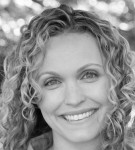
Editor’s note: This profile is part of our 11 Women to Watch in Science package.
Katherine Siegel remembers the day that fire became part of her daily reality. Raised in Boston, she was always interested in environmental stewardship – both from her family and from her reform synagogue – and nature conservation was at the heart of her studies. She was in a doctoral program at the University of California, Berkeley, when she awoke one October morning at 2 a.m. – convinced her house was on fire, because it smelled so strongly of smoke.
Siegel woke up her roommates, only to discover that she was smelling smoke from a wildfire burning miles away in the North Bay and Napa Valley. “Growing up on the East Coast, I hadn’t really thought about wildfire before,” she says, “but that kind of opened my eyes to what an interesting and urgent case study fire is for how we can learn to live in a changing climate.”
Now an environmental scientist at the University of Colorado Boulder, Siegel’s research combines big geospatial data sets with on-the-ground conversations with forest managers, policymakers and local communities. The purpose, she says, is to understand their challenges and knowledge gaps. “Telling people data and information doesn’t really make as much of a difference as working with people to think about how we can make this actionable,” she says.
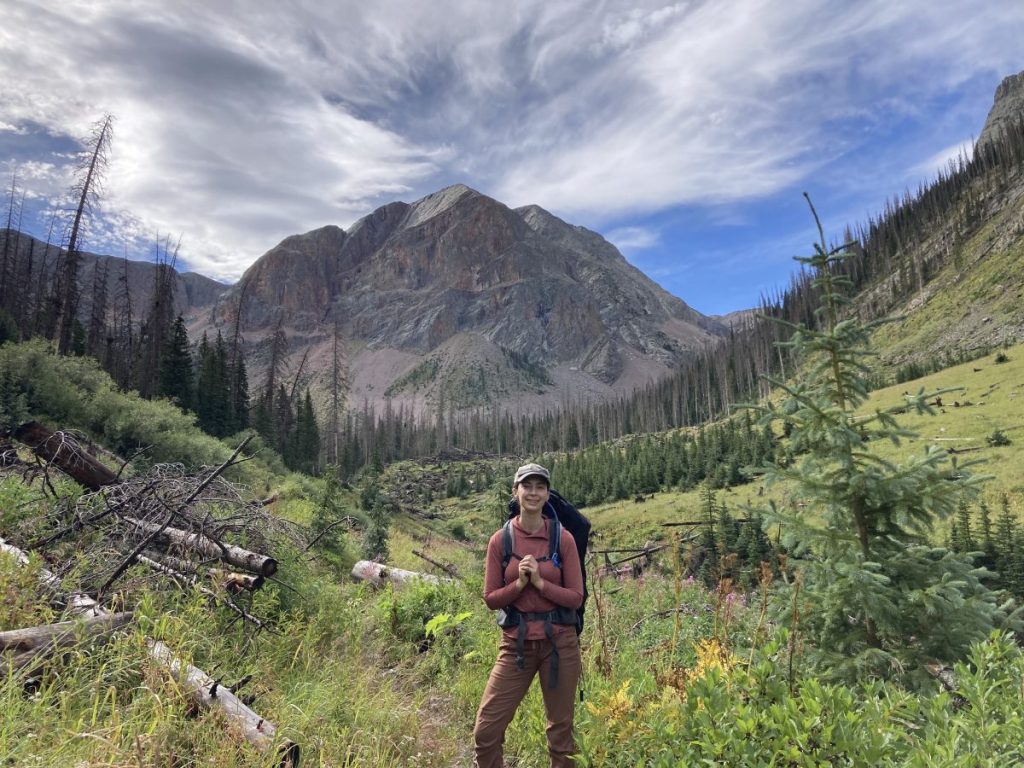
Siegel leads a project working with land managers in the Greater Yellowstone ecosystem, where she researches how the ecosystems are changing after fires. After big fires in the 1980s, some forests recovered fully, while others didn’t. Some forests turned into grasslands, which changes how carbon is stored, as well as what creatures can live there. In addition to studying the causes of these shifts, Siegel interviews land managers, bringing in environmental data to help front-line workers prioritize their actions “My work is to bring together different methods and different ways of understanding the world, the environment,” she says, “in order to empower more sustainable and specifically climate-adapted management.”
As wildfires become more frequent and intense, Siegel also studies how to better predict where ecosystems might be on the verge of switching – before something happens to tip them over the balance. There’s a whole host of outcomes between forest and grassland, she says, and those have implications for biodiversity, carbon storage and water availability.
Ultimately, she hopes her research will make meaningful contributions to management and policy on the ground – with people and the ecosystem. “I love doing the big data stuff,” she says, “but it’s also really rewarding to have that be in conversation with methods that are more kind of in conversation with people.” ◼️