

Editor’s note: This profile is part of our 11 Women to Watch in Science package.
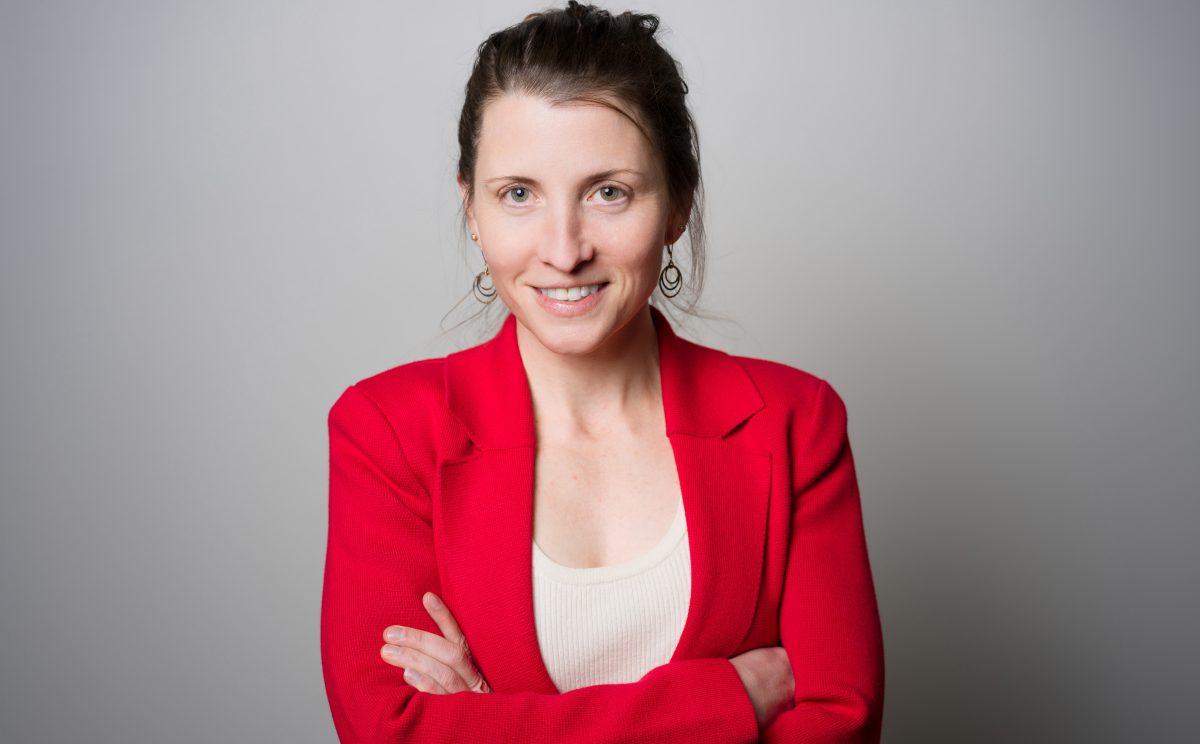
Can we make butter without grass-munching cows, without – gasp! – heavy cream? What might sound like an existential question for veteran chefs, home cooks and foodies is really a straightforward one for scientist Kathleen Alexander. Her answer: Yes, and it’s delicious.
At Savor, the San Jose startup where she serves as CEO, Alexander has spent the past four years developing a process that transforms carbon, hydrogen and oxygen – through a series of organic chemistry steps – into a sustainable, creamy yellow fat … one that most people are instantly familiar with in all its whipped, cubed, softened glory. But Savor’s version uses no plants or animals, destroys far less forests, and wastes far less water than the sticks in your fridge.
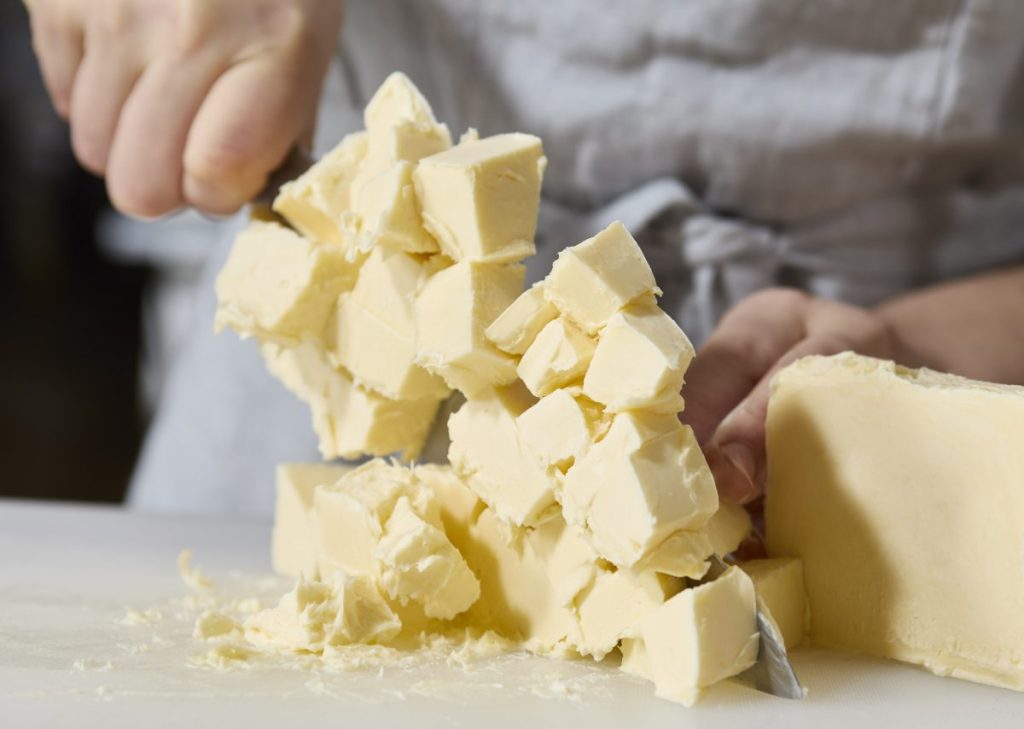
“If you think of the land footprint, our process is about a thousand times smaller than traditional agriculture, specifically if you’re looking at butter,” Alexander says. “There are ways that we already have of making food, but they happen to be very impactful in terms of ecosystem consumption.”
Alexander, who earned a Ph.D. in materials science and engineering from Massachusetts Institute of Technology, has long been interested in trying to fix the plant’s broken food system. “It’s actually a very magnificent food system, in that we humans have figured out how to feed so many of us on this little planet,” she says. But the environmental costs have been high. “Over the course of the last 10,000 years of scaling up agriculture, we’ve consumed over 70% of Earth’s primary forests,” she says. “Over 80% of the wild mammals mass on the planet has been lost.”

In 2022, she and co-founders Ian McKay and Henrik Bennetsen launched Savor with the goal of creating fats and cooking oils without animals and plants to address strains on agriculture and climate change. As their first product, they decided to tackle butter – the most complex, challenging and cultishly beloved fat around. “You know what a stick looks like, you know what it feels like to cut into it, you know what it looks like to spread it on your toast,” she says. If they could recreate butter, “we felt like it would be proving something.”
Their method, using thermochemical technology, creates a product that is chemically and nutritionally identical to butter – and behaves and tastes like it, too. The company announced its “butter made without agriculture” last March, noting that it had been tested (and taste-approved) by chefs and bakers in the San Francisco Bay Area.
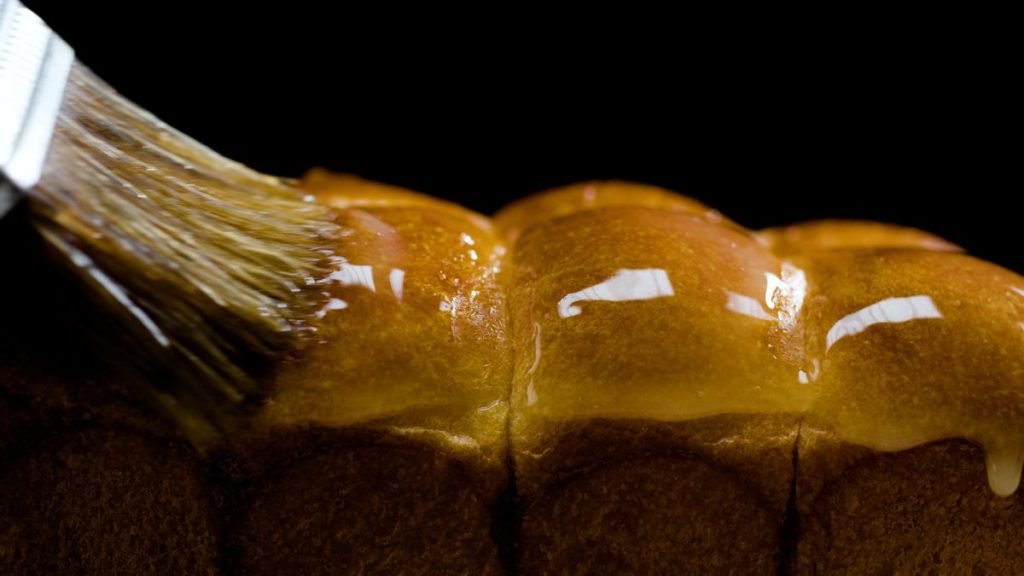
One is pastry chef Juan Contreras of three-Michelin-starred restaurant Atelier Crenn, who had removed dairy from the menu because he couldn’t find sustainable sources of it. He tried Savor to make brioche, a famously butter-laden bread, and could not tell the difference. “It’s an amazing product,” he says, in a video testimonial on Savor’s site. “If you can make something that’s buttery, airy, and has an amazing crumb texture to it, I think there’s nothing more delicious than that.”
Microsoft co-founder Bill Gates is also a fan – and an investor. Animal fat, like butter, “gives so many foods their richness, juiciness, meltability, unique ‘mouthfeel,’ and overall flavor,” he wrote in a 2024 blog post. “Unfortunately, it’s also a disaster for the climate.” To date, Savor has raised over $30 million from Gates and Synthesis Capital, a London-based venture capital firm that specializes in food technology.
Savor can replicate other fats besides butter, too. One is palm oil, which has been linked to massive deforestation but is still widely used in packaged products in U.S. grocery stores. Many food giants are looking for alternatives to meet their sustainability targets. Alexander wants them to be her customers. “Our business model is actually designed around being a specialty fats and oil supplier to large food companies,” she says.
The company currently operates a factory near Chicago that can make small batches of its products, but is looking to scale up 10 times that size with a 10,000-ton facility. Alexander and her 30-employee team hope to identify a North American location for that factory this year.
Critical to Savor’s success will be the ability to mass produce. “The food system has such a huge impact because the scale is so enormous,” Alexander says. “When you can operate at those much larger scales, there are enormous returns” – for the company and its customers, and, also, for the planet. ◼️