

As Hurricane Erin continues to move – and grow – experts have become increasingly alarmed by the rate at which it’s changing, calling its erratic behavior a sure sign of climate change.
Hurricane Erin has been “undergoing extreme rapid intensification,” nonprofit Climate Central said in a recent analysis of the storm, which is the first of the 2025 hurricane season. “This rapid strengthening occurred as the storm passed over unusually warm ocean waters that were made up to 100 times more likely by human-caused climate change.”
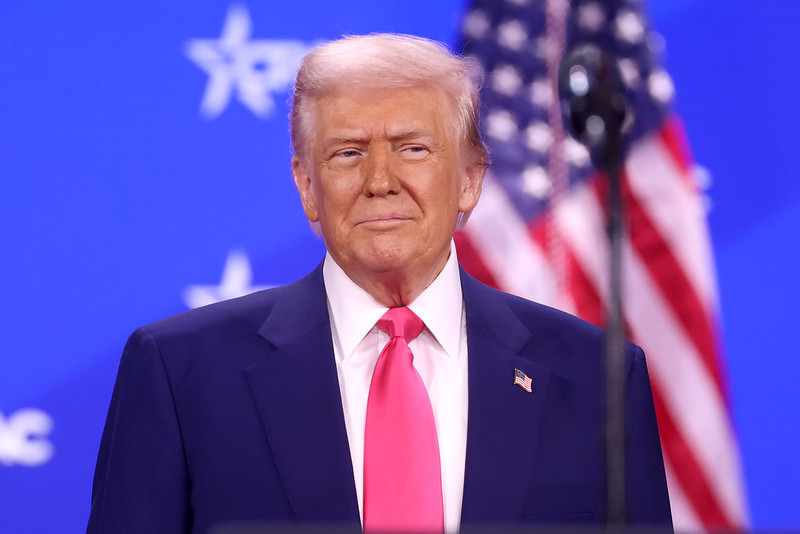
Rather than prepare, President Donald Trump’s administration has continued its campaign of defunding and deprioritizing scientific research and reporting efforts, as well as deleting or reclassifying once-publicly available information resources – an effort that he and his team embarked upon as soon as he re-took the White House in January.
A new study published by the Union of Concerned Scientists has tracked every move in this vein. And in addition to tens of thousands of scientists losing their jobs, organizations like the National Oceanic Atmospheric Administration – which would be tasked with closely monitoring erratic storms such as Hurricane Erin – have been hamstrung, if not gutted entirely.
The study’s co-author, Jules Barbati-Dajches, says it’s a fascist play. “Politicizing science is a common tactic for groups in power who find the science inconvenient to their agenda,” she says. “In the past, we’ve seen how authoritarian regimes around the world have targeted science and scientists. Regimes like this want to control the narrative instead of letting science speak for itself.”
The restrictions placed upon certain words are troubling, too, she adds. “It’s easy to discount the power of words, but how these groups of people and how these scientific topics are discussed matters. This isn’t just word choice — it’s a strategy that we’ve seen used throughout history to control political discourse, to the detriment of our health and our planet.”
And we’re beginning to see the effects as hurricane season commences, other UCS experts say. Without critical storm monitoring and further research into climate change’s effects, “we could wake up the next day, the hurricane could be right next to the coast, and no one would have known how strong it became overnight,” UCS fellow Marc Alessi told scientific publication Nautilus.
It’s an especially dangerous prospect for the world’s women, who are statistically far more likely to be harmed or killed during extreme-weather events – not just in the storms themselves, but in the aftermath as well, experts warn. Pregnancy complications, upticks in sexual assaults and disproportionate exposure to resulting pollution are just some of the increased risk factors.
Barbati-Dajches of the USC says that there is recourse amid the Trump administration’s ongoing effort to suppress facts and defund researchers, even for average citizens. People can inform themselves, lobby their representatives for change, and spread the word through their own channels, she notes.
But action is needed, whichever course one chooses. “It’s an all-hands-on-deck moment for protecting science.”