
This year, we saw the passing of legends.
In 2025, brilliant women who were pioneers in the worlds of music, sports, science and (much) more died – some after full, rich lifetimes, and some far too soon. But they all left behind legacies of enlightenment, progress and true feeling, as well as words of wisdom to live by.
Below, we reflect on the work of these individuals, and the insights they gave to guide us forward.
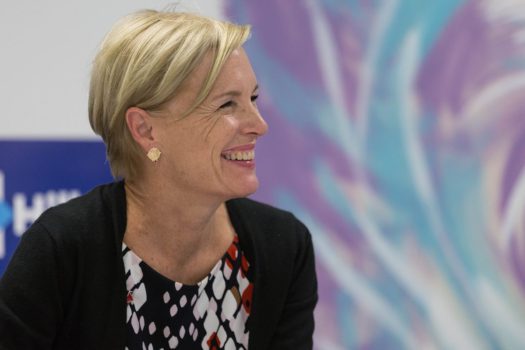
Cecile Richards. (Credit: Lorie Shaull, Flickr.com)
“Don't sit around and wait for the perfect opportunity to come along—find something and make it an opportunity.” -Cecile Richards, Former Head of Planned Parenthood
Before she stepped down in 2018, the former president of Planned Parenthood was one of the most visible advocates for abortion rights, especially at a time when those rights have been under siege by Republican administrations. Richards received the Presidential Medal of Freedom the year before she died at 67 after being diagnosed with an aggressive form of brain cancer. She was a political organizer from an early age and was involved with various statewide campaigns alongside her mother, former Gov. Ann Richards of Texas.
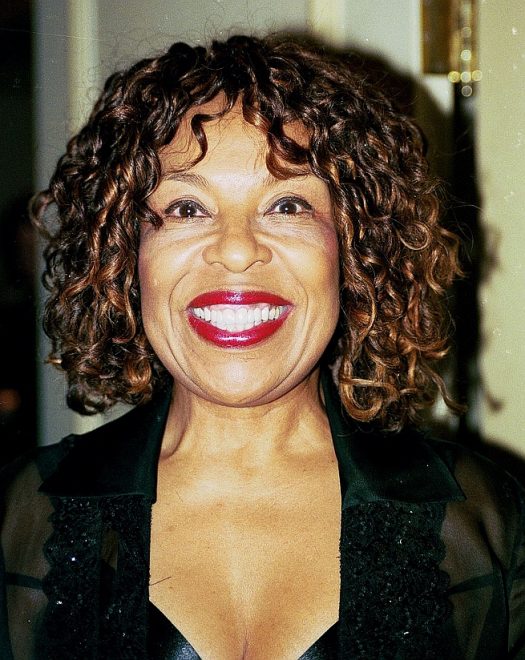
Roberta Flack. (Credit: Wikimedia Commons)
"Always walk in the light. And if you feel like you’re not walking in it, go find it." -Roberta Flack, Musician
Flack, who expertly blended classical music, jazz, gospel, folk and blues with deep feeling, was still giving concerts into her 80s, until an A.L.S. diagnosis forced her to stop singing in 2022. The shape-shifting musician appeared 16 times at Carnegie Hall over the course of her long, fruitful career, which skyrocketed in 1974 when she became the first solo female artist to land No. 1 pop hits in three consecutive years with “Feel Like Makin’ Love.” She died at 88.
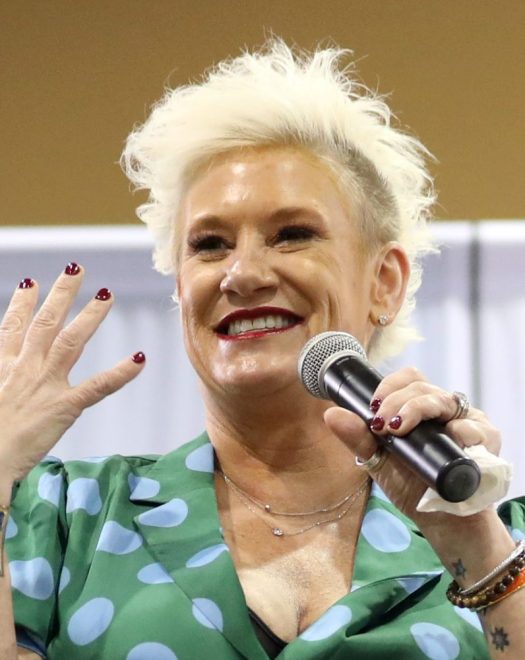
Anne Burrell. (Credit: Wikimedia Commons)
"There are so many things that you think will look cool, but then you look like an idiot!" -Anne Burrell, Chef
The wildly popular chef and Foot Network star rose to fame as the sous chef for Mario Batali on “Iron Chef America,” which helped her spawn her own show, “Secrets of a Restaurant Chef.” Her platinum-blonde hair and exuberant, no-nonsense demeanor quickly made her one of the most recognizable personalities on the air. Her death at 55 was ruled a suicide.
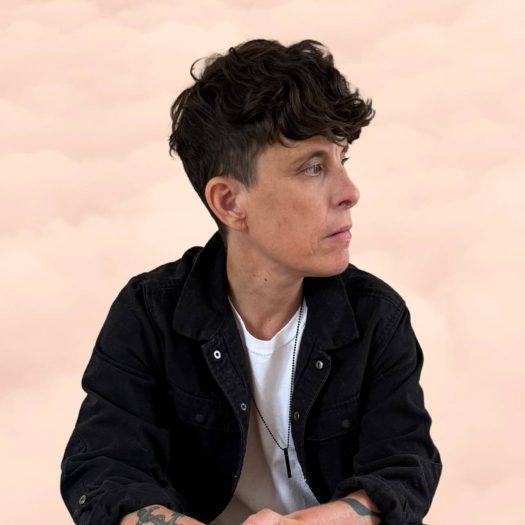
Andrea Gibson. (Credit: Wikimedia Commons)
“A doctor once told me I feel too much. I said, so does God. That’s why you can see the Grand Canyon from the moon.” -Andrea Gibson, Poet
Colorado’s poet laureate was not afraid to bare their deepest emotions and fears in their poetry, which found scores of fans who responded to the personal nature and political activism of Gibson’s work. Before Gibson died at age 49, they appeared in the documentary “Come See Me in the Good Light,” which focused on their long struggle with terminal ovarian cancer and which won the Festival Favorite Award at the Sundance Film Festival in January.
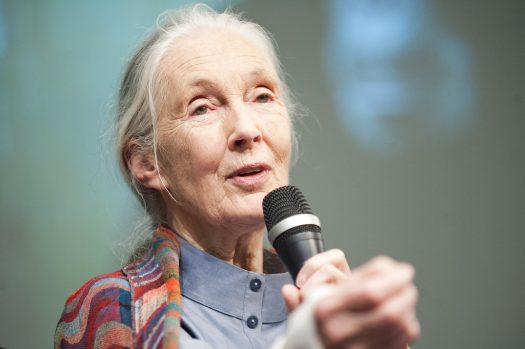
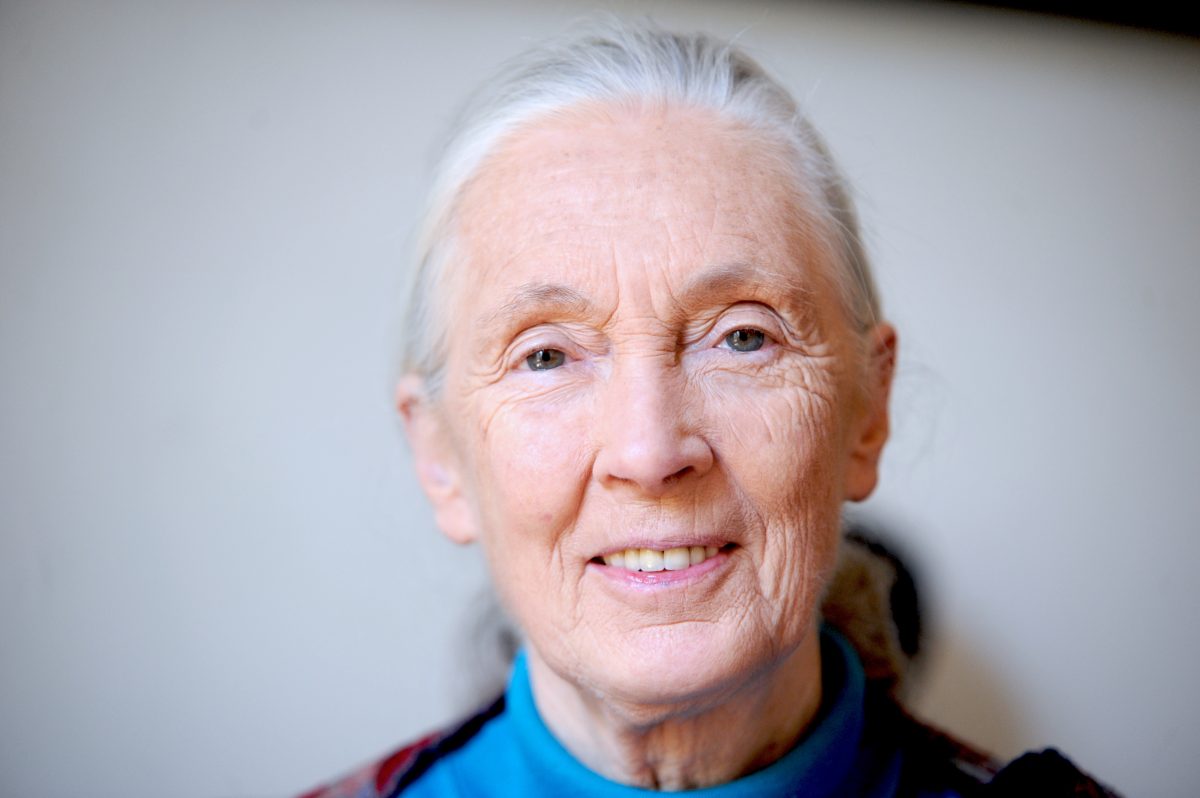
Jane Goodall. (Credit: Flickr)
“I’m not going to give in. I’ll die fighting, that’s for sure.” -Jane Goodall, Anthropologist
For over five decades, the 91-year-old anthropologist, scientist and conservationist helped shape humanity’s understanding of animals — notably the wild chimpanzees in East Africa, whose behavior she studied passionately. One of her most visible legacies is the Jane Goodall Institute, which was founded in 1977 and continues to not just protect chimps but champion human rights, animal welfare and environmental conservation.
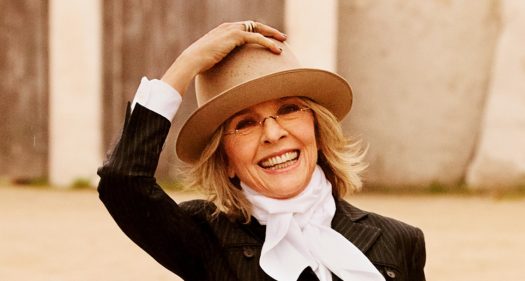
Diane Keaton. (Credit: Wikimedia Commons)
“I didn’t want to give up my independence.” -Diane Keaton, Actress
The Oscar-winning actress whose film career spanned nearly six decades will always be known as a quirky, upbeat presence — both on-screen and in her personal life. Her infamous outfits in Woody Allen’s “Annie Hall” set off a fashion frenzy when the movie came out in 1977, and she marched to the beat of her own drum off-screen as well — she never married, and adopted her two children when she was in her fifties.
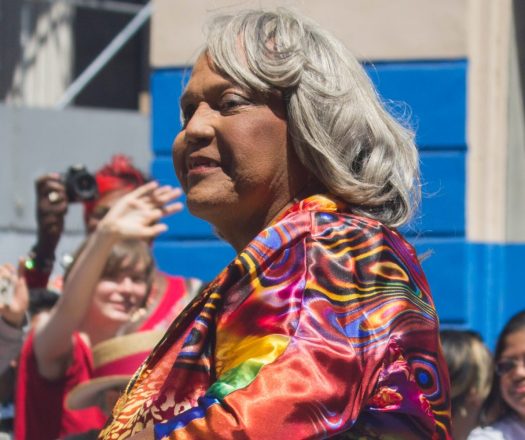
Miss Major. (Credit: Wikimedia Commons)
"I don't need their permission to exist; I exist in spite of them." -Miss Major Griffin-Gracy, Trans Rights Activist
Up to her death at age 78, the legendary trans rights activist better known as Miss Major traveled across the country in motorized scooters and wheelchairs to speak out against the wave of anti-trans legislation. She was a veteran of the Stonewall riots of 1969 and was known for helping and housing Black trans women. The Chicago-born activist’s legacy will live on in her nonprofit, The House of gg or the Griffin-Gracy Educational and Historical Center.
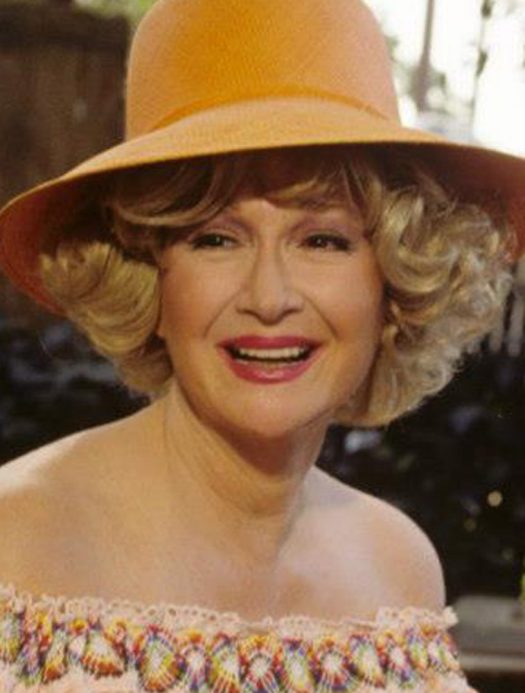
Diane Ladd. (Credit: Wikimedia Commons)
"I’m not an actor. I’m a teacher." -Diane Ladd, Actress
The actress who played sassy waitress Flo in Martin Scorsese’s film “Alice Doesn’t Live Here Anymore” in 1974 will be remembered for her iconic roles in a career that spanned six decades. The three-time Oscar-nominated performer, born in Mississippi, moved to New York City in the 1950s and appeared in various TV and stage roles, according to the New York Times. She told her daughter, actress Laura Dern, that she didn’t want her to go into acting — then played Dern’s on-screen mother at least five times.
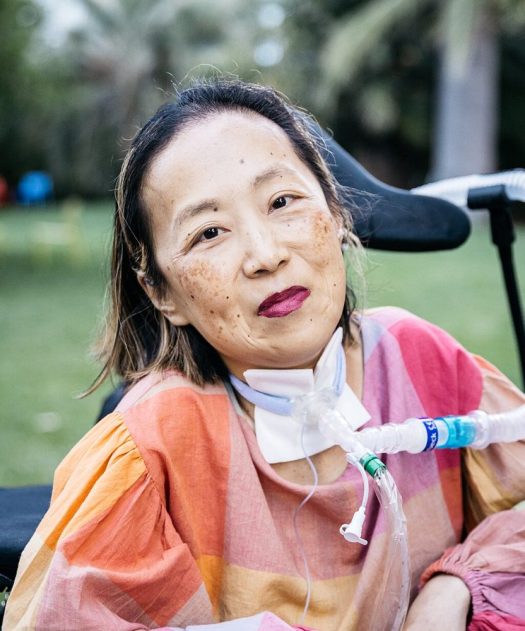
Alice Wong. (Credit: Wikimedia Commons)
“There is so much that able-bodied people could learn from the wisdom that often comes with disability.” -Alice Wong, Disability Rights Activist
Disability rights activist Wong was born with spinal muscular atrophy, a progressive neuromuscular disease that left her unable to walk from age 8 onward. She is best known for starting the Disability Visibility Project, which spotlights those who live doubly on the margins of society: disabled women of color, LGBTQ+ people and immigrants. Doctors told her parents, who’d immigrated from Hong Kong to the United States, that she wouldn’t live past 18, according to The 19th News. Wong died at 51.
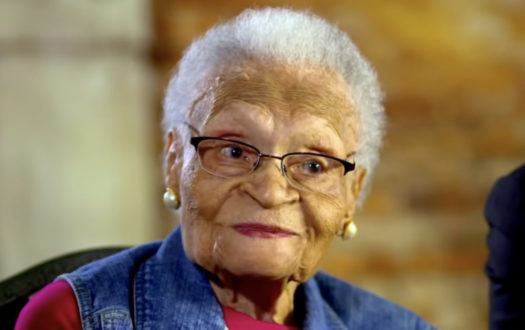
Viola Ford Fletcher. (Credit: Good Morning America, YouTube)
“Don’t let them bury my story.” -Viola Ford Fletcher, Author and Tulsa Massacre Survivor
The extraordinary Fletcher was the oldest survivor of the Tulsa Race Massacre before she died at age 111. As a young girl, she witnessed her Oklahoma neighborhood being torched and trashed by a white mob. The destruction led to as many as 300 deaths and mass homelessness. Her book, “Don’t Let Them Bury My Story,” is a detailed, first-person account of the deadly attack, which occurred in a thriving enclave of Tulsa known as “Black Wall Street.”
Candice Helfand-Rogers contributed to this article.