

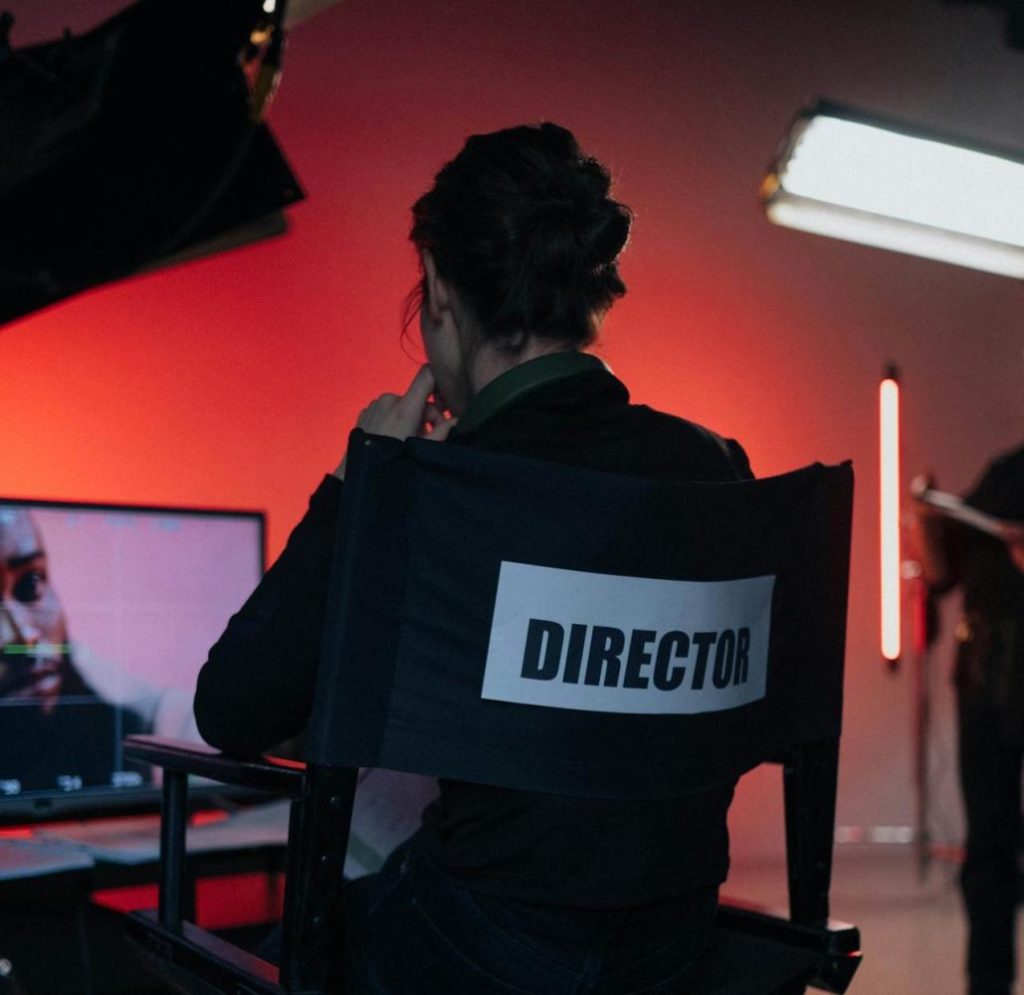
It’s getting harder, still, for women in film to find work behind the scenes.
That’s according to the latest iteration of the “Celluloid Ceiling” report, an annual effort put forth by the Center for the Study of Women in Television and Film at San Diego State University.
In 2024, representation for women in Hollywood hit a period of stagnation. But last year brought about studio consolidations, as well as official pushback from President Donald Trump’s administration against efforts that promote diversity, equity and inclusion. The combined result – which created an “ominous moment” for the industry as a whole, researchers state in the report – can and will create trouble for women in film.

Indeed, it already has. “Hollywood has never needed permission to exclude and diminish women, but now it has it,” the study reads. “The question is to what extent the consolidation and backlash will impact the percentages of women working in pivotal behind-the-scenes roles, which in turn impact the kinds of stories that end up onscreen.”
Though researchers hypothesized that “the proportions of women working in film have been so stable – and so low – even forces that might rock the business may cause only a slight rumble for women,” it turns out that in 2025, women only accounted for 13% of directors of the year’s top 250 films. This marks a 3% decrease in representation from the previous year.
The majority of those top films – 71%, to be precise – employed five women or less in roles such as production, editing, cinematography and writing. Some didn’t employ any women at all.
Some of the broader representation problem stems from the lack of women directors, as “films with at least one woman director employed substantially more women in other essential behind-the-scenes roles” than films with men in charge, the study shows.
One example: Among films where women were in charge, women accounted for 71% of writers. Among films directed by men, women accounted for 11% of writers.
The end result of the current climate is that women “remain dramatically underrepresented” in roles behind the cameras, researchers added.