

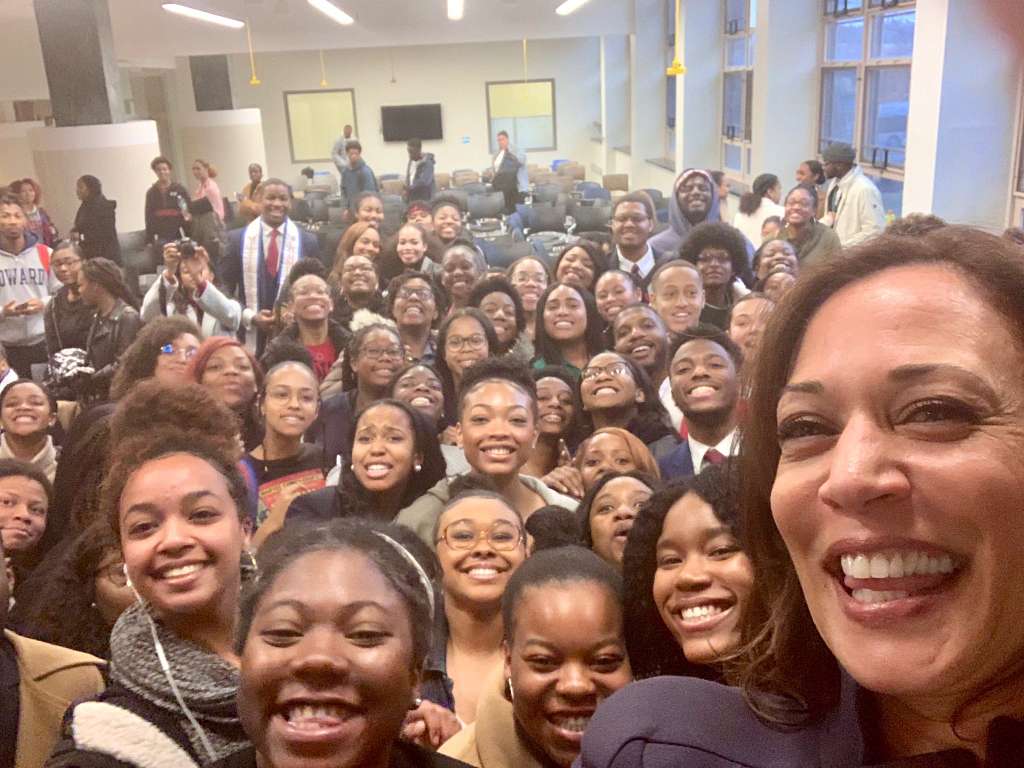
In case you’d forgotten: Representation matters, and a new study proves it.
Researchers at the University of Notre Dame have found that when women candidates run for office, the adolescent girls who see them are more likely to vote when they’re of age to do so.
The team involved in the study followed some 6,000 adolescent girls on their respective journeys to adulthood, beginning their research effort in 2002. Those in the study pool who were exposed to the campaigns of viable women candidates in their formative years were more likely to grow up to vote in both presidential and non-presidential elections.

“When they see women run, young women receive a message about the openness of the political system to people like them and about the capacity of women for politics,” researchers explained, adding that study subjects needn’t have come from politically engaged households for the effect to take hold. Even “incidental exposure to women politicians through the normal course of life — a woman senatorial candidate comes up in conversation, a woman running for the House is featured on a billboard — delivers the message that politics is for women.”
They added: “The more examples they have stored [in their memories] of women in public life, the more women might view political participation as appealing and accessible.”
The study did not indicate whether winning (or losing) impacts these effects, nor did it point to any specific women candidates (such as former Democratic presidential nominee Hillary Clinton, for example) as having any particular level of influence on its participants.
Unfortunately, current women candidates are still facing an uphill battle when it comes to launching and weathering campaigns. A 2024 study conducted by the Center for American Women and Politics at Rutgers University found that political party leaders favor self-financed candidates, because they’re less likely to rely upon party resources – and women, simply put, have less cash on hand, “thanks” to ongoing pay and opportunity gaps. Extreme fatigue, born of handling a disproportionate amount of America’s caregiving and unpaid labor needs, is also a factor, additional research shows.
But if we can make the path to campaigning – and winning – easier for women to traverse, it will have positive ripple effects that touch future generations of potentially political girls, experts say.
Researchers concluded: “[E]xposure to women role models can spark interest and engagement among girls that places them on a path to greater political participation over the life course.”