

Note: This post contains some spoilers for “The Gilded Age.”
Divorce is a weighty, complicated topic, one rife with gendered inequities. Of all things, a soapy borderline-historical drama has been tackling the topic head-on, through the lens of New York City’s late-1800s high society.
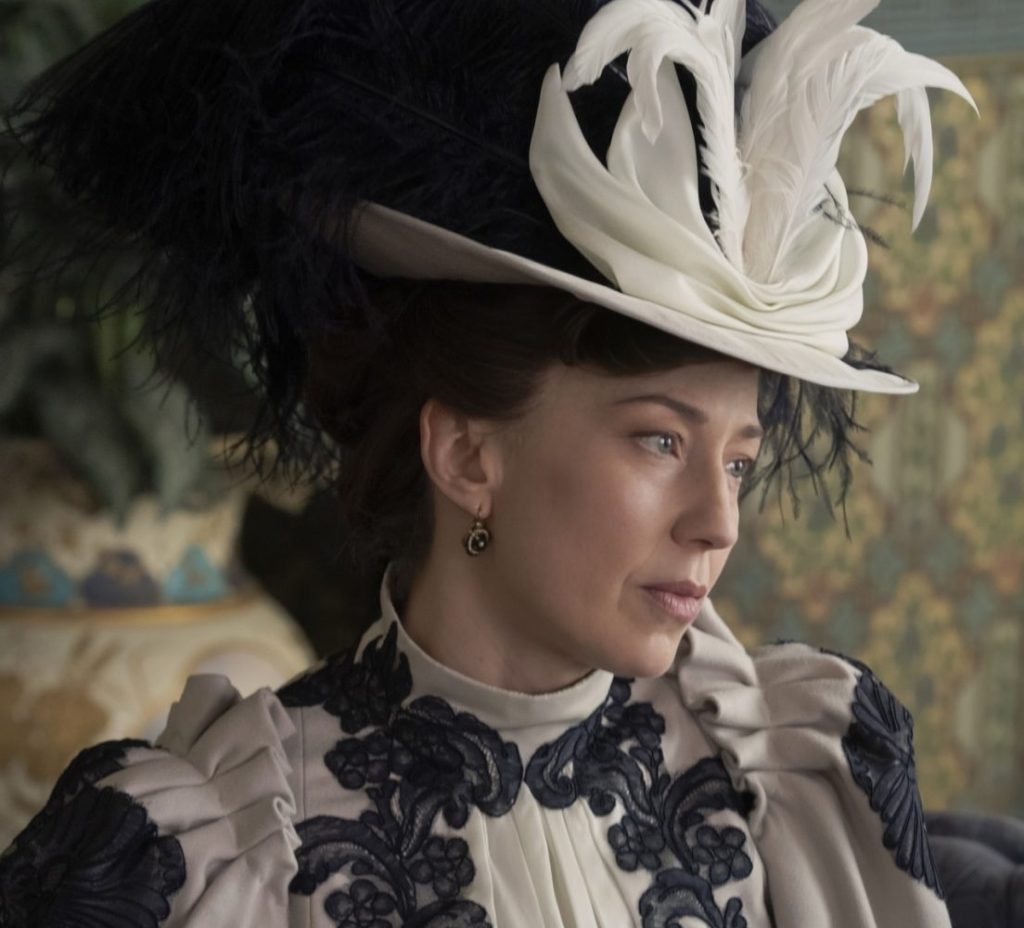
Hit HBO show “The Gilded Age,” the opulent offering brought to life by producer Julian Fellowes, spent a not-insignificant portion of its just-ended third season examining the ways in which women are uniquely punished for divorce – whether they carry some measure of blame for the break-up or not – by telling the stories of two women shunned in their time following their respective splits.
The show’s fictional female figurehead, savvy social climber Bertha Russell (who is based loosely on the real historical socialite Alva Vanderbilt), takes a stand against society’s typical casting-aside of divorced women by inviting both of them to the biggest party of the year.
At one point, when discussing her then-controversial hosting decision with a friend, Russell noted: “Men are forgiven, but women are punished” when divorce happens.
In this regard, the drama is not spinning fiction. In the Gilded Age, divorce was essentially a social death sentence – but only for women. Nancy C. Unger, a history professor and former president of the Society for Historians of the Gilded Age and Progressive Era, called it a “sexual double standard” to Town & Country magazine. “It was almost more shameful for a woman to sue her husband for divorce on the grounds of adultery” than it was for the adulterer, Unger noted. “She was a disgrace,” she added, despite the man’s wrong-doing.

Such inequities are not entirely relics of the past. Modern-day laws and lawmakers, including Vice President JD Vance, play a part in perpetuating problems of imbalance for divorced women. Within the past couple of years, he and several other elected officials have sought to eradicate no-fault divorce in several U.S. states, a practice that gives people the opportunity to end a marriage without citing an aggravating cause – the loss of which would trap women in particular in unhappy or even dangerous situations, experts say.
Meanwhile, laws that barred women from finalizing divorces while pregnant were only stricken from state’s books earlier this year. Yet while the most egregious laws have been reversed, legal experts note that women are still likely to wind up with the short end of the stick – especially if Vance and his ilk are successful.
Women are already facing an ever-uphill battle for stability regardless of their relationship status, as a group that continues to earn less money amid a persistent pay gap and a clogged pipeline of professional opportunity and advancement, while still continuing to carry the bulk of unpaid childcare, elder care and domestic responsibilities. These factors contribute directly to long-term economic disadvantages for divorced women, research shows.
Those who attempt to think outside the box to balance these scales are raked over the metaphorical coals. When TikTok influencer Becca Murray created a “divorce registry” to replace some of the items lost in the break-up from her partner of nearly 13 years, she faced a deluge of negative comments online.
As this instance exemplifies, women who split from their partners still suffer socially, too – perhaps not to the extent that a Gilded Age woman might, but a loss of community and support does persist for them, studies show. Perhaps in part because men continue to be given platforms that allow them to wield the power to drive harmful narratives – such as actress Halle Berry’s ex-husband, former MLB player David Justice, who recently attributed their 1996 split to Berry’s supposed lack of domesticity (while denying the abuse allegations that arose following the restraining order she filed against him the same year they divorced).
“She don’t cook, don’t clean, don’t really seem, like, motherly,” he said of his reason for leaving.
In an interview with The Hollywood Reporter, actress Carrie Coon, who portrays Russell, said the bold woman she portrays onscreen is “always willing to challenge what she finds silly,” including divorce stigma that plagues women. It’s a timeless sentiment. ◼️