

Today, we mark Indigenous People’s Day, a celebration created in 1992 to honor the culture and contributions of Indigenous people.
They certainly comprise a mighty, if small – but growing – portion of America’s national startup scene. According to the U.S. Small Business Administration, Native Americans own 402,582 businesses throughout the U.S. as of 2024, and employ 307,933 individuals. The women among them have used their ingenuity to build firms that make lives easier, save the world (a little), and sell damn good food.
In honor of their great work, we’re reflecting upon six innovative Indigenous women business owners whose work and wisdom have inspired us.

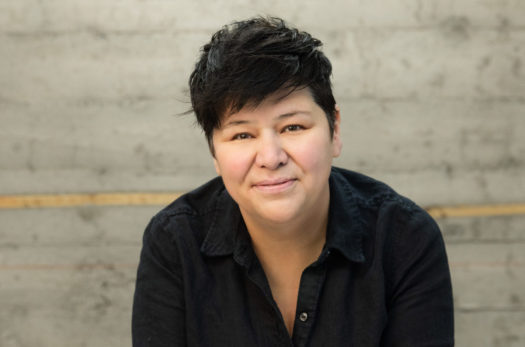
Virtual Gurus founder Bobbie Racette. (Credit: Virtual Gurus)
Bobbie Racette (Cree-Métis) – Virtual Gurus
Bobbie Racette made history as the first Indigenous woman to close a Series A funding round of over $8 million for her company, Virtual Gurus. Since starting up, Racette has taken Virtual Gurus’ value from $300 in 2016 to over $40 million, she says. Run with a team of dozens of employees – most of them from underrepresented groups – Virtual Gurus provides remote technical assistance to clients from its Calgary headquarters.
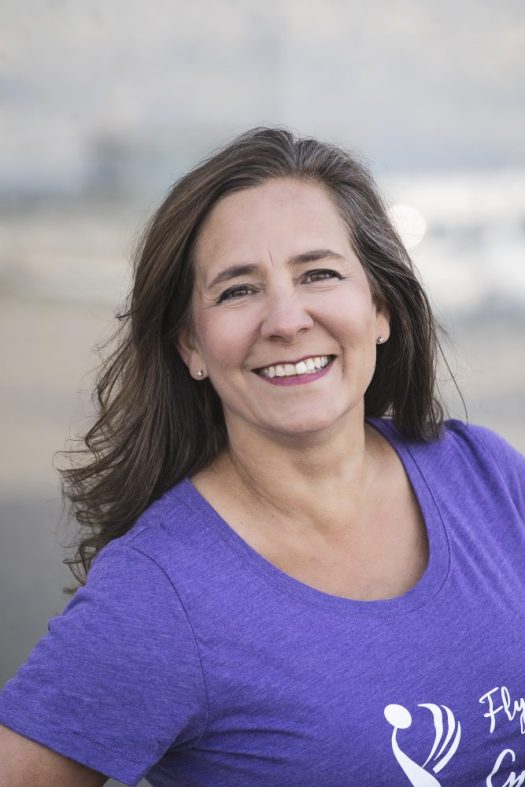
Teara Fraser (Cree-Métis) – Iskwew Air
Aviator Teara Fraser founded Iskwew Air in 2016. The name Iskwew Air comes from the Cree word for “woman” – making it a fitting moniker for the first Indigenous woman-owned airline. In an interview with Bust Magazine, Fraser called the name, and her work, “a reclamation of womanhood, a reclamation of matriarchal leadership, a reclamation of language.”
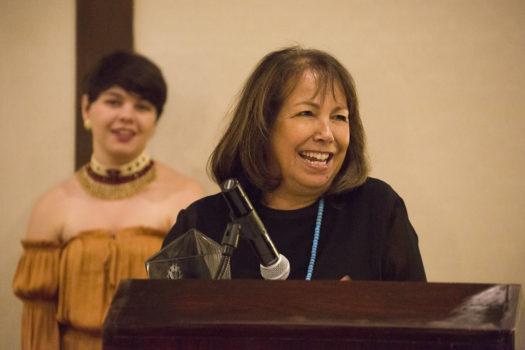
Tribal Tech founder Victoria Vasques. (Credit: CSUF Photos, Flickr)
Victoria Vasques (Diegueño) – Tribal Tech
Victoria Vasques’ Tribal Tech is an Alexandria, Virginia, management services company that works with government agencies and tribes to provide training and tech assistance, event coordination and more to customers. Vasques also owns Cowan & Associates, a unit of Tribal Tech that provides management consulting services in the national security and public sectors, and has a history of over 30 years in public service.
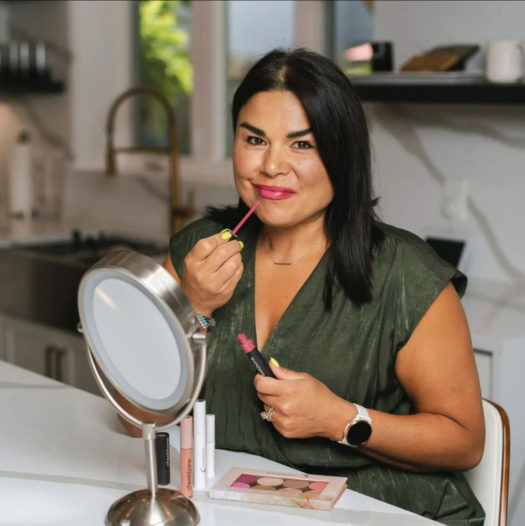
Cheekbone Beauty founder Jenn Harper. (Credit: Jenn Harper's Instagram account)
Jenn Harper (Anishinaabe) – Cheekbone Beauty
A descendant of the Anishinaabe people in Canada, Jenn Harper founded Cheekbone Beauty, a line of beauty products specifically for Indigenous people that are cruelty-free and environmentally friendly. The Ontario-based company’s path to sustainability employs a mix of “western culture and Indigenous wisdom” to help protect the planet. In addition, Cheekbone has donated hundreds of thousands of dollars to various causes that support Indigenous women.
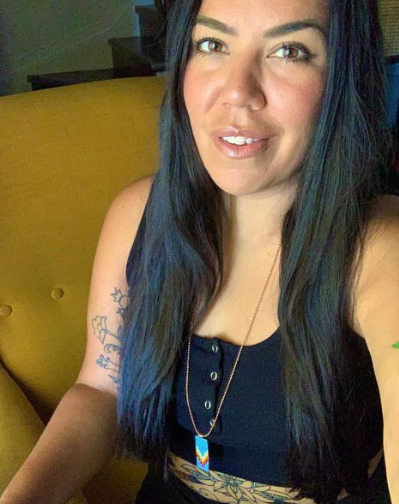
Her Braids founder Sunshine Tenasco. (Credit: Her Braids' Instagram account)
Sunshine Tenasco (Anishinaabe) – Her Braids
Sunshine Tenasco launched her company, Her Braids, to raise funds to provide clean drinking water for First Nations communities in Canada. Tenasco is Anishinaabe, and her priorities lie in supporting the First Nation home she grew up in. She and her team have always sold bead pendants and necklaces representing Anishinaabe cultures. But the company, with headquarters in Quebec, expanded to include apparel and accessories such as stickers, hats and t-shirts.
Dana Thompson (Dakota) – Owamni
Dana Thompson, former co-owner of Indigenous eatery Owamni and founder of social impact brand Heti, believes ancestral foods have the power to do more than just taste good. The restaurant features food on its “decolonized” menu that is prepared with ingredients commonly used by Native Americans long before European settlers came along. Her low-dose THC beverages continue that mission. While the scars of historical injustice can never fully be erased, Thompson and others believe such culinary work can help restore some of what was lost.
This article, originally published in October 2022, has been updated for 2025.