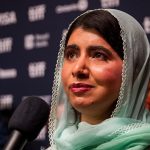
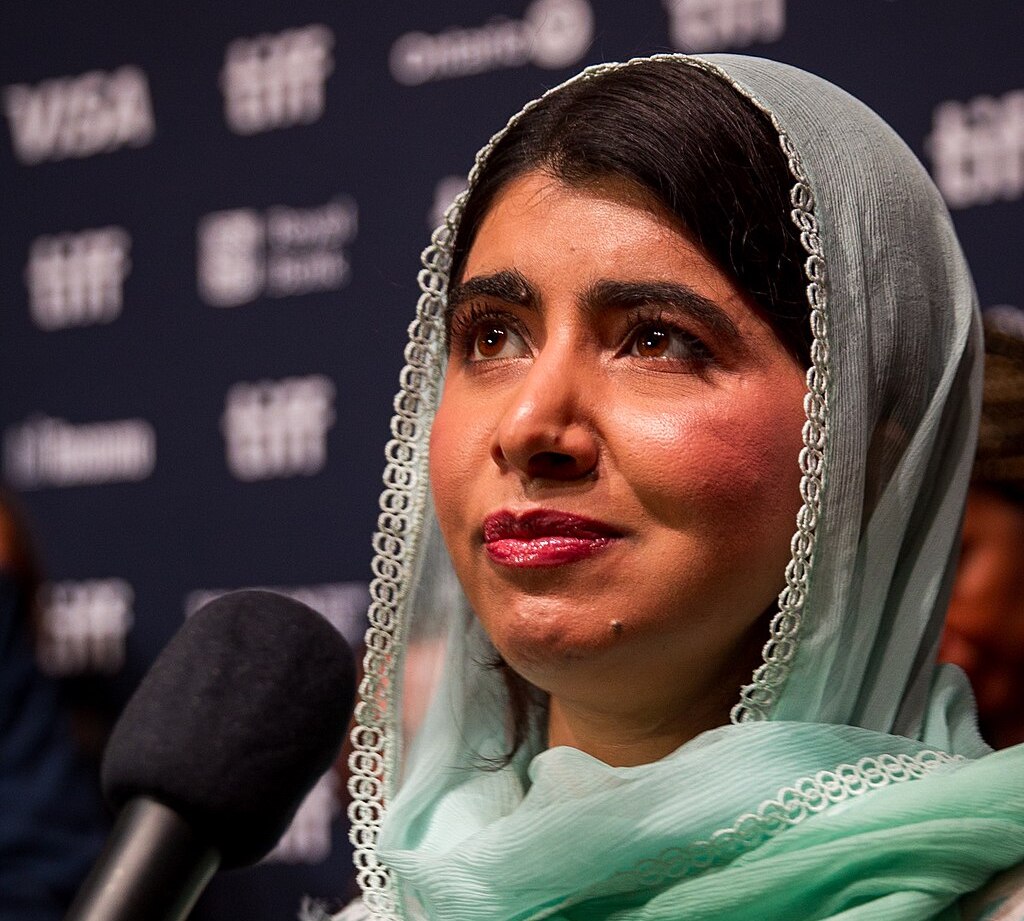
For much of her life, Malala Yousafzai has been a global symbol for girls’ access to education and gender equality. Now, 13 years after she was shot by the Taliban at age 15 and spawned a movement for women’s rights, she’s reintroducing herself in her new memoir, Finding My Way.
“I want to introduce the real me, the funny me, the messy me, the sad and the annoying me,” Yousafzai told USA Today. “All of that is me.”
The Pakistan-born activist, now 28, acknowledges that most of the world knows her as the brave, resilient young girl who was shot by the Taliban and, after she came out of a coma, went on to become the youngest recipient of the Nobel Peace Prize. But that’s not all to her story.
Her memoir touches on subjects of mental health, her evolving thoughts on marriage (she’s been married for four years) and her more experimental college years.
“I still do what I believe, and I still advocate for girls’ rights, but I am a human in the end,” she said in the interview. “I also needed friendships and love and mental health support in my life that all of us need for us to be better in what we want to do.”
![Malala Yousafzai's nonprofit, the Malala Fund, has been raising money for Afghan girls' education since 2017. [Credit: World Economic Forum // Flickr]](https://thestoryexchange.org/wp-content/uploads/2021/10/malala-yousafzai-afghan-women-150x150.jpg)
Like many college students, she started discovering who she was while at Oxford University. Even though her schedule was packed with speaking events and police officers traveled with her to parties and classes, she still managed to make friends, have fun and do normal student activities. And, yes, she smoked some weed, though it didn’t have the mellowing effect she was hoping for. Instead, it gave her flashbacks of her ordeal getting shot.
“In those hours, I was reliving all of that,” Yousafzai said. “It was terrifying. It just made me realize how there was this unaddressed part of the attack that I had received many surgeries and all those treatments, but the mental health part of it was the missing piece that we had never addressed.”
While her previous memoir, I Am Malala, focused on her childhood, she reckons in her new memoir with her traumatic past and wonders what’s next.
“When you face violence, harm and trauma yourself, you understand how terrible and horrible it is,” she told NPR. “Whether it’s girls being banned from school in Afghanistan, or girls’ schools being bombed in Gaza, or children being forced into labor, or girls being married off. … I just hope that we can create a world without any war and terror and harm for children.”