

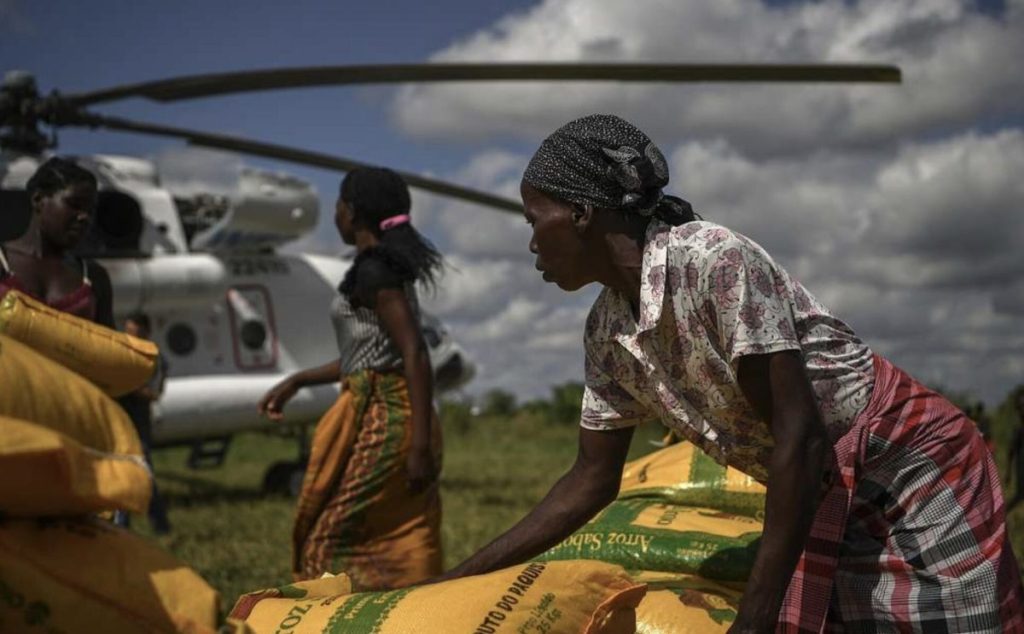
Around the world, there is a humanitarian aid crisis brewing – and it’s hitting women hardest.
According to UN Women, international organizations that work to help women and girls are under significant strain, with roughly 90% of the 411 operations surveyed in March 2025 reporting funding and operational crises. This comes on the heels of the U.S., the world’s single biggest aid donor, dramatically reducing its foreign assistance under President Trump’s second administration, and as other governments reduce humanitarian spending.
To put it in numbers: Experts say $44.79 billion (USD) was needed to adequately address girls’ and women’s rising needs in 2024 – but that only 7% of that total had actually been made available to those working to help.
Worse still, if things don’t change, 47% of such women’s-aid organizations will be shuttered by the end of this year, officials add. “Women and girls simply cannot afford to lose the lifelines that women’s organizations are providing,” Sofia Calltorp, Chief of UN Women Humanitarian Action, said in a press release.

The organizations cited in the report conduct their work in 44 nations across the globe. Regardless of where they are based, many of them spoke of taking measures such as reducing staff and suspending vital services to mitigate the widespread decrease in funding – workers in Ukraine, Palestine, Afghanistan, Sudan and other war-torn nations are especially feeling the strain.
Amid the general problem, officials expressed particular concern for vulnerable populations like refugees, those with disabilities, survivors of child marriage and members of the LGBTQ community. But, they added, all women and girls are in disproportionate need of help, amid rising catastrophic woes like wars and climate change.
All of that said, it’s not a new problem. “Despite their roles as essential providers, advocates, and watchdogs, women’s organizations have been severely underfunded even before the recent wave of reductions,” Calltorp said. “Supporting and resourcing them is not only a matter of equality and rights, but it is also a strategic imperative.”
Yet despite the ever-present need and more recent setbacks, officials also note the resilience of those working to help the world’s women, pointing out that they “continue to lead, adapt and advocate for an equal, peaceful and just future.” Researchers added in the report, “They are revising their strategies, diversifying funding models, and calling on the international community not to turn its back on them.”
Here’s hoping they are heard.