

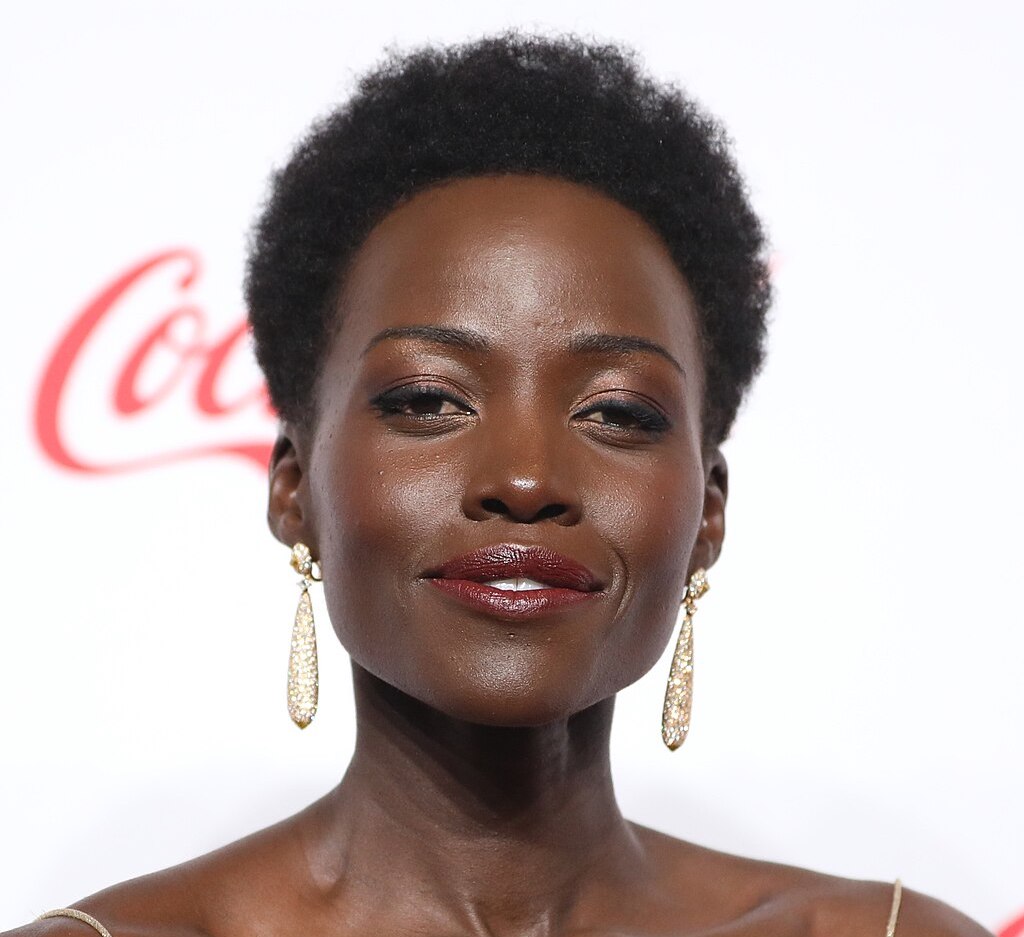
Lupita Nyong’o has broken her silence about her ongoing struggles, in the name of advocating for research into women’s health.
In a recent Instagram post, the Oscar winner confessed that in 2014, the year she snagged the acting honor for her stunning work in “12 Years a Slave” – an especially thrilling win, considering it was her first feature-film role – she discovered she had uterine fibroids, or noncancerous tumors that grow on the walls of the uterus.
Those who have them may experience symptoms such as pelvic pain, discomfort during sex, difficult menstrual cycles and more. And while they can be surgically removed, there is no way to effectively prevent a recurrence – all of which Nyong’o learned firsthand from her doctors while pursuing treatment.

In fact, much of her experience was as surprising as it was difficult for her, which she attributes to a dearth of both proper sex education and adequate research. “When we reach puberty, we’re taught that periods mean pain, and that pain is simply part of being a woman,” she said. “We’re struggling alone with something that affects most of us. No more suffering in silence!”
At present, experts estimate that between 20% and 30% of women worldwide will grapple with uterine fibroids, many of them between the ages of 30 and 50. Black women are disproportionately affected by the affliction, researchers add.
She continued in her post: “We need to stop treating this massive issue like a series of unfortunate coincidences. We must reject the normalization of female pain.”
In addition to sharing her own story, the celebrated actress is also lobbying for funding increases into research efforts to understand – and eradicate – uterine fibroids. Earlier this week, she met with members of the Congressional Black Caucus to advocate for federal-level efforts on the matter. And, she put her star power behind the Stephanie Tubbs Jones Uterine Fibroids Research and Education Act sponsored by Rep. Yvette Clarke of New York, which would allocate $150 million over five years for research at the National Institutes of Health if enacted.
The current state of affairs is “a crisis of medical misinformation, confusion and self doubt,’’ Clarke said during the meeting with Nyong’o. “It is a crisis of intentional neglect and limited resources.”
Nyong’o timed her new push to coincide with Fibroid Awareness Month, a campaign spanning the month of July to encourage people with uteruses to understand the health-related implications of the disease, and to seek medical care if they have concerns about their bodies.
Ultimately, she posted on Instagram, she just wants to protect as many women as possible – and encourage them to advocate for their own care by both informing and empowering them. “I hope to seek answers for the far too many women dealing with uterine fibroids,” she wrote in her post. “We deserve better. It’s time to demand it.”
And, she added, “I hope my experience will resonate with anyone else who has ever felt dismissed, confused or alone.”

_cropped.jpg)